Workers travel to remote sites for extended shifts before returning home for rest periods. Because these roles often involve physically demanding work in isolated environments, employers require FIFO pre-employment medical screening to ensure workers are medically fit and prepared for the conditions they will face on site.


FIFO (Fly-In Fly-Out) roles are a major part of Western Australia’s mining, energy, and resource industries. Workers travel to remote sites for extended shifts before returning home for rest periods. Because these roles often involve physically demanding work in isolated environments, employers require FIFO pre-employment medical screening to ensure workers are medically fit and prepared for the conditions they will face on site.
Why FIFO Medical Screening Is Required
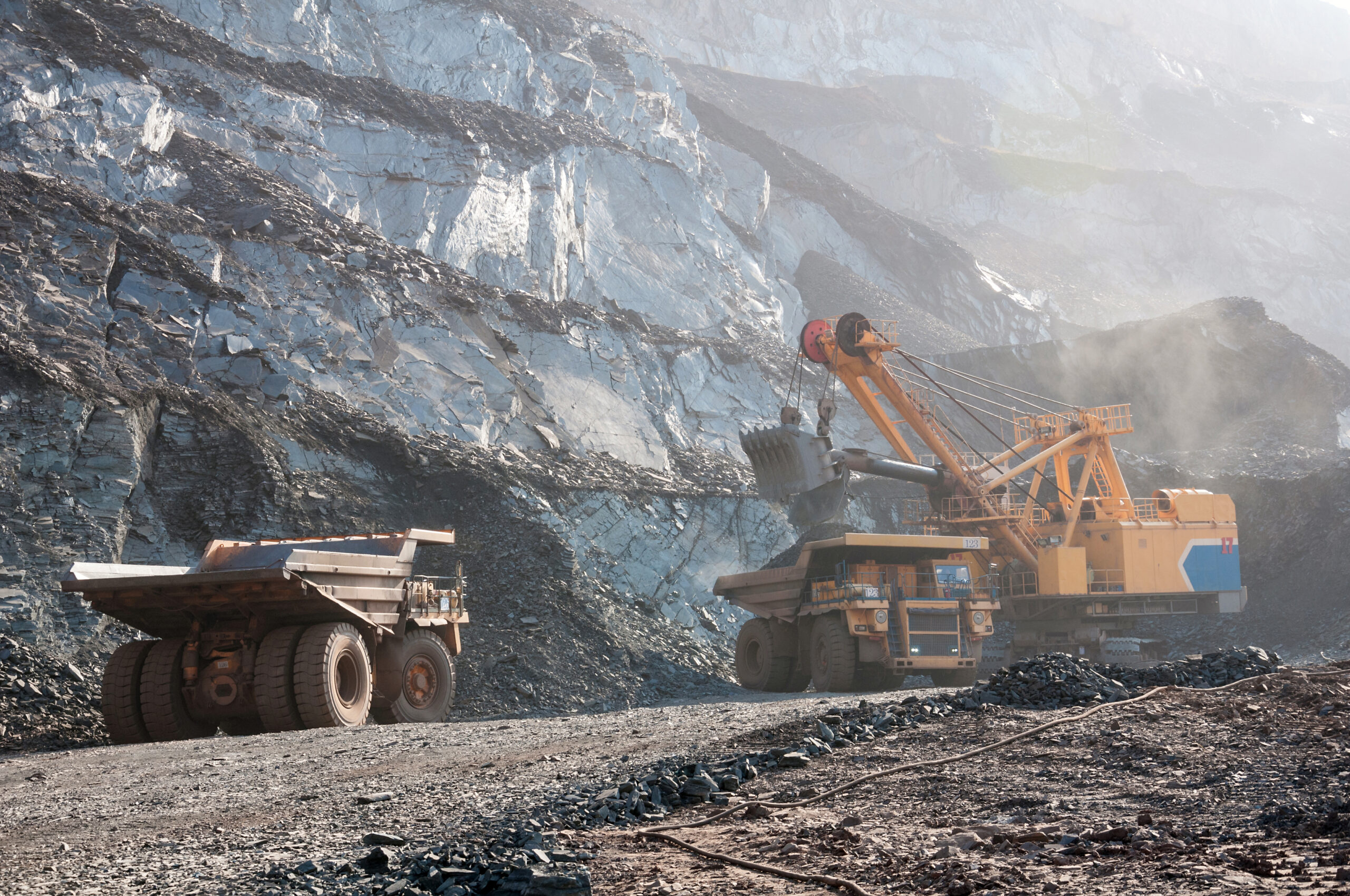
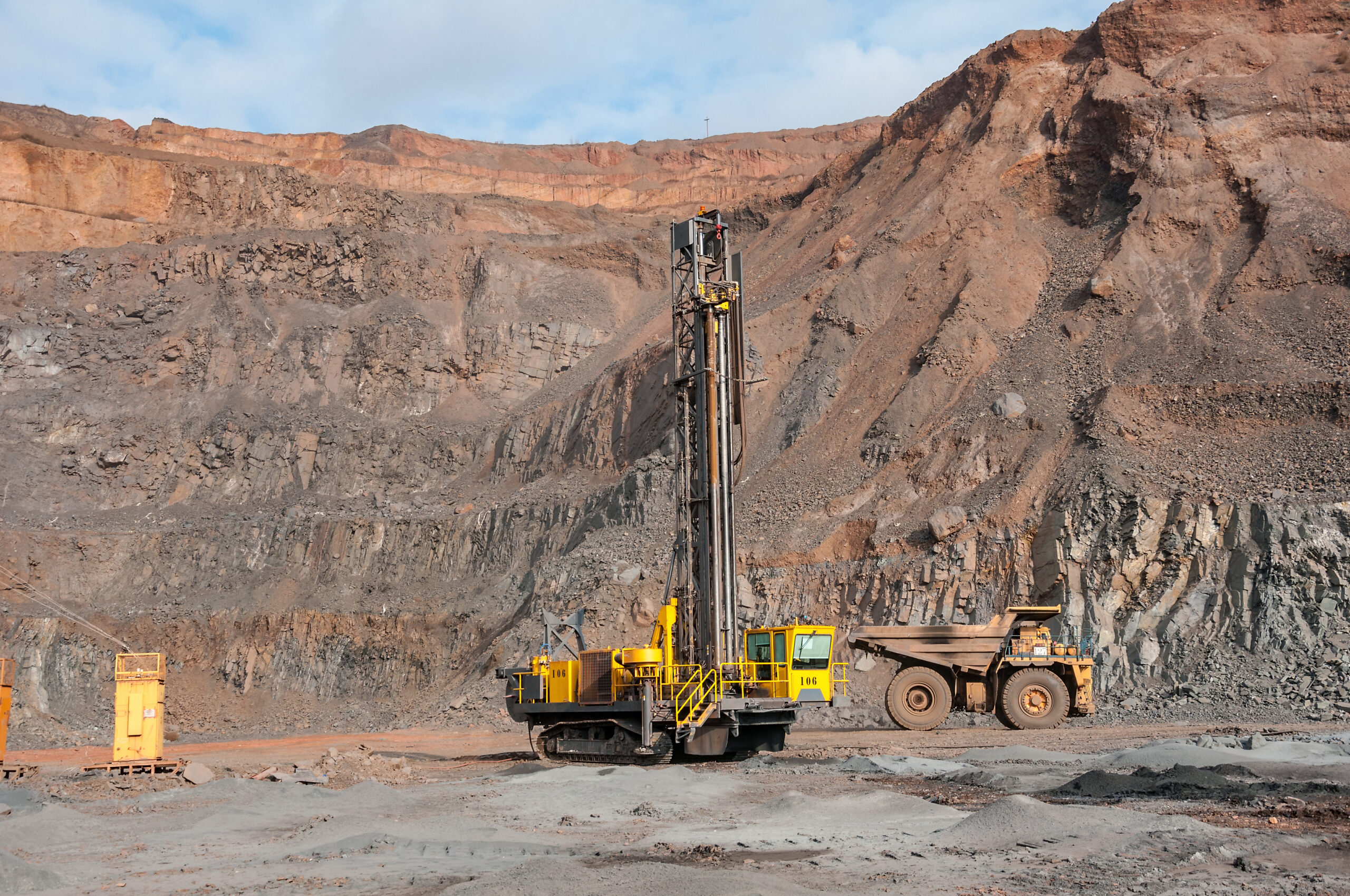
FIFO operations often take place in remote regions where immediate access to advanced medical care may be limited. Workers may be required to perform physically demanding tasks, operate heavy machinery, work long shifts, and cope with environmental conditions such as heat, dust, noise, and fatigue.
Pre-employment medical screening helps employers confirm that workers are capable of safely performing their duties in these environments. It also ensures that any medical conditions that could affect safety or performance are identified before mobilisation.
Employers use these medical assessments to ensure compliance with workplace health and safety obligations while protecting the wellbeing of workers across mine sites and remote projects. Government guidance on employment screening and workplace safety obligations can be found here:
https://www.wa.gov.au/government/publications/pre-employment-screening
What a FIFO Pre-Employment Medical Typically Includes
A FIFO pre-employment medical is designed to evaluate whether a candidate can safely perform the inherent requirements of the job. The exact tests included may vary depending on the employer, industry requirements, and current regulations, but the assessment typically begins with a medical questionnaire and a consultation with an occupational health clinician.
During the assessment, clinicians review the worker’s medical history and perform a physical examination relevant to the job requirements. This may include checking blood pressure, cardiovascular health, mobility, and overall physical fitness.
Additional tests may also be required depending on the nature of the role.
Common Components of FIFO Medical Assessments
Many FIFO pre-employment medicals include additional screening such as hearing tests to ensure workers can safely operate around heavy equipment and respond to alarms or warnings, vision testing to confirm adequate visual acuity for operating machinery or working in hazardous environments, lung function testing for workers exposed to dust or airborne particles, drug and alcohol screening which is standard across most mine sites, and functional capacity testing to assess physical strength, endurance, and manual handling capability.
These assessments help employers ensure that workers are physically capable of performing the tasks required on site.
Supporting Worker Safety on Remote Sites
FIFO work environments can present unique health and safety challenges. Workers may perform tasks in extreme heat, operate heavy machinery, climb ladders or scaffolding, and work long shifts that require sustained concentration.
Pre-employment medical screening helps identify any health risks that could affect a worker’s ability to perform safely in these environments. Early identification allows employers to make informed decisions about job placement or provide additional support where required.
Ensuring workers are medically fit before they travel to remote sites helps reduce the risk of medical emergencies, workplace incidents, and unexpected disruptions to operations.
Helping Employers Manage Risk and Compliance
For employers, FIFO pre-employment medicals play an important role in risk management. Workplace injuries or medical incidents on remote sites can lead to operational delays, evacuation costs, and increased insurance exposure.
By confirming that workers are fit for the physical and environmental demands of FIFO roles, employers demonstrate that they have taken reasonable steps to protect both workers and their operations. This type of screening is a key part of building a safe and ready workforce, which is discussed further here:
https://hirehealth.com.au/pre-employment-medicals-in-perth-helping-employers-build-a-safe-and-ready-workforce/
Medical screening also provides documented evidence that the employer assessed fitness for work before the worker began employment, which can be important when managing workplace safety obligations or insurance claims.
Fast and Flexible Medical Assessments for FIFO Workers
Mobilisation timelines for FIFO roles are often tight. Workers may need to complete their medical assessments quickly so they can travel to site or join project teams without delay.
Flexible medical services help employers and workers complete these assessments efficiently. Clinics that offer extended availability, including weekend appointments, can help ensure workers are cleared and ready for mobilisation when projects require rapid onboarding.
For workers needing clearance outside standard business hours, services such as weekend pre-employment medicals in Perth can help ensure assessments are completed without delaying travel to site:
https://hirehealth.com.au/weekend-pre-employment-medicals-perth/
Important Disclaimer
This article is provided for informational purposes only. The specific tests and requirements included in a FIFO pre-employment medical may vary depending on employer requirements, job roles, and current industry or regulatory standards. Workers and employers should always confirm the exact medical requirements with their employer or occupational health provider before booking an assessment.
Book a Consultation
It’s easy and free!